
International Logistics Solutions: Managing Container Shipping Across Borders
Introduction
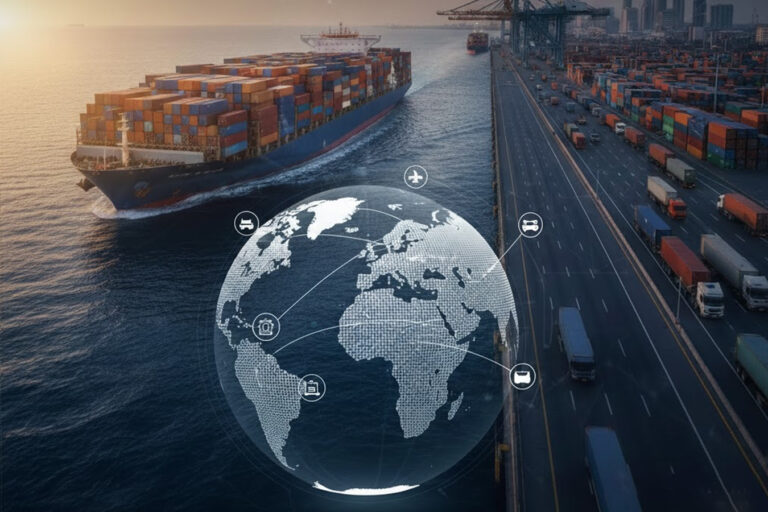
A single container can cross multiple countries, ports, terminals, and transport systems before reaching its final destination. Each border adds complexity. Each hand-off introduces risk. In this environment, businesses cannot rely on fragmented planning or guesswork. They need structured international logistics solutions that keep container movements predictable and controlled.
At the heart of global trade lies container shipping logistics. When managed correctly, containers move efficiently across borders. When mismanaged, delays, extra costs, and customer dissatisfaction follow. In this blog, we explore how international logistics solutions help businesses manage container shipping across borders and why professional handling and coordination are essential for success.
Why Cross-Border Container Shipping Is Complex
International container shipping is more than transportation. It involves:
Multiple jurisdictions and regulations
Port and terminal coordination
Customs clearance processes
Inland transport planning
Cargo handling and storage
Each border crossing adds new rules, documents, and risks. Without proper logistics solutions, small errors can create major disruptions.
What Are International Logistics Solutions?
International logistics solutions combine planning, coordination, and execution to move cargo across borders smoothly. These solutions integrate transport, terminals, warehouses, and documentation into one controlled process.
Key Elements Include
Container handling and terminal coordination
Cross-border documentation support
Warehousing and staging
Inland transport planning
Cargo visibility and monitoring
Instead of treating each step separately, international logistics solutions connect the entire journey.
The Role of Container Shipping in Global Trade
Container shipping is the backbone of international trade. Standardized containers allow cargo to move efficiently between ships, trucks, and rail without repacking.
Effective container shipping logistics provides:
Faster cargo movement
Reduced handling damage
Lower overall transport cost
Predictable transit times
However, these benefits are only achieved when logistics processes are aligned across borders.
Key Challenges in Managing Container Shipping Across Borders
1. Customs and Regulatory Differences
The Challenge
Every country has its own customs rules, documentation requirements, and inspection procedures. Errors or delays can stop containers at borders.
The Solution
International logistics solutions ensure:
Accurate documentation preparation
Compliance with local regulations
Advance planning for inspections
This reduces clearance delays and penalties.
2. Port and Terminal Congestion
The Challenge
Congested ports and terminals cause containers to wait longer, increasing storage costs and delivery delays.
The Solution
Pre-planning container movements
Using inland terminals and staging areas
Coordinating container pickup and delivery schedules
Smart terminal handling keeps cargo moving.
3. Inland Transport Coordination
The Challenge
Once containers leave the port, inland transport must be synchronized. Poor coordination leads to missed connections and idle containers.
The Solution
Align transport schedules with vessel arrivals
Pre-book trucking or rail services
Use warehouses as buffer points
Integrated planning prevents breakdowns.
4. Lack of Visibility Across Borders
The Challenge
Without visibility, businesses react to problems too late. Delays affect inventory planning and customer commitments.
The Solution
Track container movement across stages
Maintain communication between stakeholders
Monitor dwell time at terminals and warehouses
Visibility enables proactive control.
How International Logistics Solutions Add Value
1. End-to-End Coordination
Professional logistics solutions manage the full container journey:
Port to terminal
Terminal to warehouse
Warehouse to final destination
This reduces gaps between stages and improves reliability.
2. Reduced Handling and Risk
Each unnecessary handling step increases risk.
International logistics solutions:
Minimize container movements
Use standardized handling procedures
Improve cargo safety
Fewer touches mean fewer problems.
3. Better Cost Control
Unplanned storage, demurrage, and transport costs hurt margins.
Structured logistics solutions:
Reduce container dwell time
Optimize transport routes
Improve asset utilization
Cost control supports profitable trade.
Warehousing as a Cross-Border Logistics Enabler
Warehouses play a key role in cross-border container shipping.
They provide:
Temporary storage during clearance
Cargo staging for inland distribution
Load planning and dispatch support
Strategic warehousing adds flexibility to international logistics solutions.
Comparison: Fragmented vs Integrated Logistics
| Area | Fragmented Approach | Integrated Logistics Solutions |
|---|---|---|
| Planning | Separate decisions | Unified strategy |
| Visibility | Limited | End-to-end |
| Risk management | Reactive | Proactive |
| Cost control | Unpredictable | Optimized |
| Scalability | Limited | High |
Integration is the foundation of cross-border success.
Real-World Operational Insight
In one cross-border operation, containers frequently missed inland delivery windows due to customs delays and poor terminal coordination.
After applying structured international logistics solutions:
Documentation was prepared in advance
Containers were staged at nearby warehouses
Transport was scheduled before clearance
The result was faster delivery, lower storage cost, and improved customer satisfaction.
How URSA Supports Cross-Border Container Shipping
URSA Handling Services focuses on strengthening container shipping logistics through reliable handling, warehousing, and coordination.
Key strengths include:
Professional container handling at terminals
Secure warehousing and staging
Coordination with inland transport
Focus on reducing dwell time and delays
URSA helps ensure containers move smoothly across borders.
Best Practices for Managing Container Shipping Across Borders
Prepare documentation early
Plan container movement beyond the port
Use warehouses strategically
Monitor container dwell time
Coordinate transport in advance
Review performance after each shipment
Consistency improves results.
Why Strong International Logistics Solutions Matter
In global trade, reliability is more important than speed alone.
Strong international logistics solutions:
Improve delivery performance
Reduce operational risk
Support business growth
Build customer trust
Container shipping logistics becomes a competitive advantage when managed professionally.
Conclusion
Managing container shipping across borders is complex, but it does not have to be chaotic. With structured international logistics solutions, businesses can control costs, reduce delays, and move cargo confidently between countries.
By integrating container handling, warehousing, and transport coordination, logistics providers like URSA Handling Services help businesses navigate cross-border challenges and succeed in global trade.
Call to Action
Are cross-border shipping challenges slowing down your operations?
If you want more reliable container shipping logistics and better control over international cargo movement, it is time to strengthen your logistics strategy.
Contact URSA Handling Services today to explore international logistics solutions designed for seamless cross-border trade.