
The Importance of Secure Cargo Handling in High-Volume Warehousing
Introduction
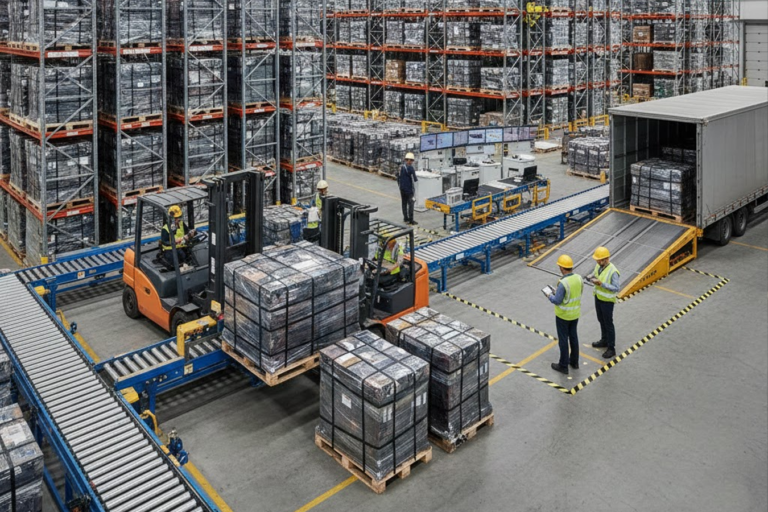
As warehouse volumes increase, so does the pressure on operations. Hundreds or even thousands of pallets move daily through receiving docks, storage zones, and dispatch areas. In such high-volume environments, even a small handling mistake can lead to damaged cargo, safety incidents, or costly delays.
This is where secure cargo handling becomes essential. It is not just about protecting goods from damage. Secure handling ensures safety, accuracy, and consistency across warehouse operations. In this blog, we explore why secure cargo handling is critical in high-volume warehousing, what risks arise when it is ignored, and how professional handling practices create long-term operational advantage.
What Is Secure Cargo Handling?
Secure cargo handling refers to the controlled, safe, and systematic movement of goods within a warehouse environment. It covers every stage of cargo interaction, from unloading and storage to picking and dispatch.
Key aspects include:
Proper lifting and movement methods
Correct use of handling equipment
Safe stacking and storage practices
Access control and supervision
Damage prevention and cargo protection
In high-volume warehousing, these practices must be standardized and consistently followed.
Why High-Volume Warehousing Increases Risk
As volumes grow, warehouses face unique challenges:
Faster movement of goods
Increased labor activity
Tighter turnaround times
Limited margin for error
Without secure cargo handling, these conditions can quickly lead to accidents, damaged inventory, and operational disruption.
High volume does not forgive weak processes.
The Hidden Costs of Poor Cargo Handling
Poor handling is often underestimated because damage or delays may appear minor at first. Over time, however, the impact becomes significant.
Common consequences include:
Increased product damage and returns
Inventory discrepancies
Workplace injuries
Slower dispatch times
Customer dissatisfaction
Secure cargo handling reduces these risks before they affect business performance.
The Role of Secure Cargo Handling in Warehouse Safety
Warehouse safety and cargo security are directly connected.
Secure cargo handling:
Reduces falling or shifting loads
Prevents equipment misuse
Minimizes worker injuries
Creates organized movement zones
A safer warehouse is also a more productive warehouse.
Secure Handling and Inventory Protection
In high-volume environments, inventory moves frequently. Each movement introduces risk.
Secure cargo handling ensures:
Pallets are stacked correctly
Loads are stable during transport
Sensitive cargo is protected
Goods remain traceable and intact
Protecting inventory means protecting revenue.
How Secure Cargo Handling Improves Efficiency
Many believe secure handling slows operations. In reality, the opposite is true.
Well-designed handling processes:
Reduce rework caused by damage
Minimize congestion in aisles
Improve picking and dispatch accuracy
Speed up overall flow
Secure handling creates predictability, which drives efficiency.
Key Elements of Secure Cargo Handling in High-Volume Warehouses
1. Standardized Handling Procedures
Clear procedures reduce confusion.
Best practices include:
Defined unloading and loading steps
Clear stacking limits
Standard pallet positioning
Documented safety rules
Consistency is the foundation of security.
2. Proper Equipment and Maintenance
Handling equipment must match cargo volume and type.
This includes:
Well-maintained forklifts and pallet movers
Proper racking systems
Secure loading docks
Equipment failure is a major source of handling risk.
3. Trained and Accountable Workforce
People play the biggest role in cargo security.
Secure cargo handling depends on:
Regular training
Clear role definitions
Accountability for handling quality
Safety awareness
Skilled teams reduce errors and accidents.
4. Warehouse Layout and Flow Control
High-volume warehouses must be designed for movement.
Secure handling improves when:
Receiving and dispatch zones are separated
Aisles are clearly marked
High-traffic areas are controlled
Fast-moving goods are positioned logically
Layout directly affects handling safety.
Secure Cargo Handling and Compliance
Many industries require compliance with safety and handling standards. Secure handling helps meet these requirements and avoid penalties.
It also supports:
Insurance compliance
Customer audits
Contractual obligations
Professional handling builds trust with partners.
Real-World Operational Insight
In one high-volume warehouse, frequent product damage was blamed on packaging. A review showed the real issue was rushed handling during peak shifts.
After implementing secure cargo handling practices:
Handling procedures were standardized
Staff received focused training
High-risk zones were reorganized
Damage rates dropped significantly, and dispatch accuracy improved. Secure handling solved a problem that packaging changes could not.
How URSA Ensures Secure Cargo Handling
URSA Handling Services prioritizes secure cargo handling as a core operational principle.
URSA focuses on:
Structured handling processes
Trained handling teams
Secure storage and movement zones
Continuous monitoring and improvement
By combining experience with discipline, URSA supports safe and efficient high-volume warehousing operations.
Secure Cargo Handling as a Competitive Advantage
In competitive markets, reliability matters.
Secure cargo handling delivers:
Fewer claims and disputes
Faster order fulfillment
Better customer confidence
Lower operational cost
Warehouses that handle cargo securely perform better over time.
Best Practices Checklist
To improve secure cargo handling, warehouses should ask:
Are handling procedures clearly defined?
Is equipment suitable and well-maintained?
Are staff trained regularly?
Is warehouse layout optimized for safe flow?
Are incidents reviewed and corrected?
Continuous review strengthens handling performance.
Why Secure Handling Matters More as Volumes Grow
As volumes increase, small mistakes multiply. What works at low volume often fails at scale.
Secure cargo handling provides:
Control during peak operations
Protection against loss and damage
Stability under pressure
It allows warehouses to grow without sacrificing quality.
Conclusion
High-volume warehousing demands speed, accuracy, and safety. Without secure cargo handling, operations become vulnerable to damage, delays, and safety risks. Secure handling is not an optional extra. It is a fundamental requirement for reliable warehousing.
By investing in proper handling practices, trained teams, and structured processes, businesses can protect their cargo, improve efficiency, and strengthen their supply chains. For logistics providers like URSA Handling Services, secure cargo handling is the foundation of long-term performance and customer trust.
Call to Action
Is your warehouse handling cargo securely under high-volume pressure?
If you want to reduce damage, improve safety, and strengthen your warehouse operations, now is the time to focus on secure cargo handling.
Contact URSA Handling Services to learn how professional handling solutions can support safe, efficient, and scalable warehousing.