
Reducing Cargo Damage Through Professional Handling and Storage Practices
Introduction
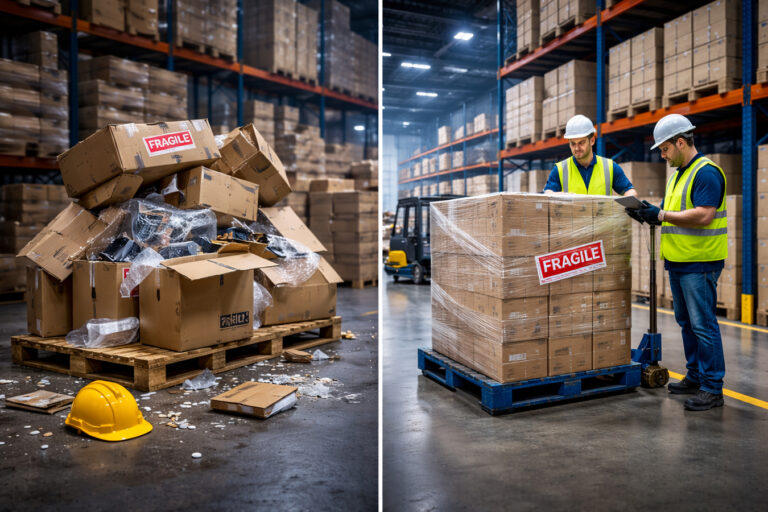
Cargo damage is one of the most underestimated problems in logistics operations. A damaged pallet, crushed carton, or improperly stored shipment may seem like a small issue at first. However, over time, these incidents lead to financial loss, customer dissatisfaction, and operational inefficiencies.
In high-volume warehousing and distribution environments, even minor handling errors can multiply quickly. That is why professional handling and structured storage practices are essential. Reducing cargo damage is not just about protecting goods. It is about protecting reputation, revenue, and reliability.
In this blog, we explore how professional handling and storage practices significantly reduce cargo damage and strengthen overall supply chain performance.
Why Cargo Damage Happens in Warehouses
Cargo damage typically occurs due to:
Improper unloading or lifting
Incorrect pallet stacking
Overloaded racking systems
Poor warehouse layout
Lack of handling supervision
Inadequate staff training
In fast-paced environments, rushed operations increase the likelihood of mistakes.
Without structured handling systems, damage becomes unavoidable.
The Real Cost of Cargo Damage
Cargo damage does not only affect the value of goods. It impacts multiple areas of business:
Replacement or repair costs
Insurance claims
Delayed deliveries
Customer dissatisfaction
Increased operational time
Repeated damage also affects long-term client trust.
Professional handling practices minimize these risks.
The Role of Professional Handling in Damage Prevention
Professional cargo handling focuses on control, precision, and accountability.
It includes:
Proper lifting techniques
Safe forklift operation
Defined loading and unloading zones
Supervised cargo movement
Clear labeling and tracking
Structured handling prevents common warehouse errors.
Importance of Correct Pallet Stacking
Improper stacking is a leading cause of cargo damage.
Best stacking practices include:
Even weight distribution
Proper load height control
Stable base support
Secure wrapping and reinforcement
Stable stacking protects goods during storage and movement.
Warehouse Layout and Flow Matter
Warehouse design directly impacts cargo safety.
An optimized layout:
Reduces congestion
Separates inbound and outbound flows
Minimizes cross-traffic
Maintains clear movement paths
Well-planned flow reduces accidental collisions and drops.
Temperature and Environmental Control
Certain goods require specific storage conditions.
Professional storage practices consider:
Ventilation
Humidity control
Temperature stability
Protection from moisture
Environmental protection prevents spoilage and product deterioration.
Inspection and Monitoring Procedures
Damage prevention is proactive.
Regular inspection ensures:
Racking systems remain stable
Packaging remains intact
Equipment functions properly
Storage areas remain organized
Continuous monitoring reduces unnoticed risks.
Training and Accountability
The most advanced warehouse systems fail without skilled teams.
Professional cargo handling depends on:
Regular staff training
Clear operating procedures
Safety awareness
Defined responsibility
Trained personnel reduce avoidable mistakes.
Technology’s Role in Reducing Cargo Damage
Modern warehouses use technology to enhance cargo protection.
Examples include:
Barcode tracking systems
Inventory management software
Load monitoring tools
Surveillance systems
Visibility improves accountability and reduces misplacement.
Storage Practices That Protect Cargo
Professional storage involves more than placing goods on racks.
Effective storage includes:
Categorizing goods based on sensitivity
Separating fragile and heavy items
Avoiding overstacking
Maintaining adequate spacing
Organized storage prevents pressure damage and structural collapse.
Comparison: Poor vs Professional Practices
| Area | Poor Handling | Professional Handling |
|---|---|---|
| Loading | Rushed and unsupervised | Structured and controlled |
| Stacking | Uneven and unstable | Balanced and secured |
| Layout | Congested | Optimized flow |
| Inspection | Irregular | Routine and systematic |
| Risk level | High | Reduced |
Professional discipline reduces risk significantly.
Real-World Operational Insight
In one warehouse operation, repeated product damage was blamed on packaging quality. After reviewing processes, the real issue was poor pallet stacking and forklift speed.
Once professional handling protocols were introduced:
Staff received targeted training
Stacking limits were enforced
Movement speed was controlled
Damage incidents decreased dramatically. The packaging did not change. The process did.
This highlights how professional practices solve operational problems.
Why Damage Prevention Supports Customer Satisfaction
When goods arrive in perfect condition:
Customers trust the supplier
Claims and disputes reduce
Repeat business increases
Professional handling directly impacts customer experience.
Long-Term Benefits of Professional Handling
Reducing cargo damage leads to:
Lower replacement costs
Improved operational efficiency
Stronger client relationships
Better warehouse productivity
Damage prevention is an investment, not an expense.
How URSA Supports Damage-Free Operations
URSA Handling Services prioritizes secure and professional cargo management across warehousing and terminal operations.
URSA focuses on:
Structured cargo movement processes
Trained handling teams
Organized storage systems
Continuous inspection and monitoring
By maintaining disciplined operational standards, URSA helps clients reduce cargo damage and improve logistics reliability.
Best Practices Checklist
To reduce cargo damage, businesses should:
Standardize handling procedures
Train staff regularly
Inspect equipment consistently
Optimize warehouse layout
Monitor stacking and storage limits
Review damage reports and improve processes
Small improvements lead to major long-term savings.
Why Professional Practices Matter in High-Volume Warehousing
As shipment volumes increase, the risk of damage rises.
Professional handling ensures:
Stability under pressure
Reduced operational chaos
Controlled cargo movement
Consistent performance
Structured processes protect goods even during peak operations.
Conclusion
Cargo damage is preventable when professional handling and storage practices are in place. Warehouses that prioritize discipline, structure, and training significantly reduce risk and improve performance.
Reducing cargo damage is not just about protecting goods. It strengthens supply chain reliability, reduces operational costs, and improves customer trust.
With experienced partners like URSA Handling Services, businesses can ensure their cargo is handled and stored with precision, care, and professionalism.
Call to Action
Are cargo damage incidents affecting your warehouse performance?
If you want to improve handling standards and reduce risk, it is time to implement professional storage practices.
Contact URSA Handling Services today to strengthen your cargo protection strategy.